


Don't Make These Common Password Mistakes
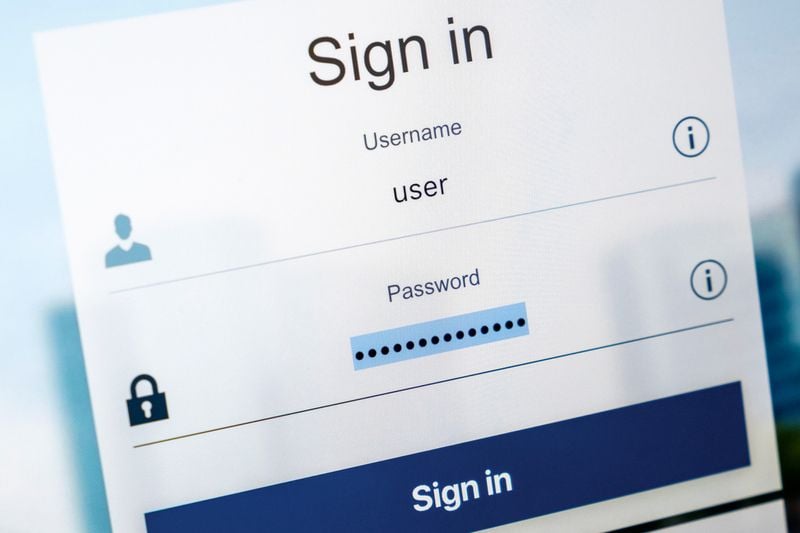 "Don't Make These Common Password Mistakes")
We've heard it time and time again. Beware the hackers! Make sure your passwords are challenging! The trouble is that challenging passwords are hard to remember and the memorable passwords you think are challenging are not as challenging as you think.
Here are some common password mistakes and how you can avoid them.
Using the Same Password for Everything
We understand the temptation to do this. The easiest way to remember your password is if you only have one to remember, but this is the quickest way to a security breach. As soon as your password is captured by someone nefarious (likely through a phishing email), they can access everything you've put online.
Make sure you have a unique, secure password for every login that collects personal and/or financial information.
Having Different Passwords for Everything, but Just Barely
To make memorizing easier, a lot of people have subtle differences between their passwords. Perhaps by changing, adding, or subtracting one character or adding an "!" at the beginning or end. This is not enough of a difference to fool password-guessing programs.
Make sure your passwords are vastly different from each other.
Exchanging Letters for Numbers and Special Characters
A password like Sp1d3rm@n just won't cut it these days. This is a common tactic that used to be effective, but hacking software and hacking people are now well aware of this trick and will figure it out pretty quickly.
Really think outside the box or don't think at all; random passwords work best.
Related: Is Your Website SSL-Secured?
Making Them Personal
Any password that has to do with your favourite celebrity, relative, sports team, fandom, childhood pet, or any common word is a bad password. Password-cracking software will automatically try common combinations of words and numbers. Don't think you can fool them by including something "only you would know" like your first boyfriend or your high school mascot; social media and the general web make it easy for a determined hacker to figure it out.
The best and safest passwords are random or seemingly random sets of characters.
Making Them Short
It used to be that a six- or seven-character password was enough, but times have changed, and computers have gotten faster and better at cracking passwords.
Your passwords should be at least 12 characters long.
If you need to create a website that stores personal information for yourself and others, look no further than Bloomtools. Our security has never been breached and we have never lost any customer data. Get in touch today to learn more.
| Tags:Website |

 "Traditional SEO vs. GEO: How to Get Your Business Recommended by ChatGPT and Gemini")
 "The Business Owner’s Guide to AI Search Optimization Costs and GEO ROI")
 "How to Choose an Agency for AI Search Optimization in Canada")
